
What is Civil and Structural Engineering?
Civil and structural engineering form the backbone of modern infrastructure, shaping the built environment around us. From towering skyscrapers to intricate bridge systems, these interconnected disciplines ensure that our structures stand strong against time, weather, and human activity. Understanding the distinction between civil engineering and structural engineering—and how they work together—is crucial for anyone involved in construction, development, or infrastructure planning.
Understanding Civil Engineering
Civil engineering encompasses the design, construction, and maintenance of the physical and naturally built environment. This broad discipline covers everything from roads and bridges to water supply systems and airports. Civil engineers are responsible for creating infrastructure that supports modern society.
Civil engineers work on diverse projects including transportation networks, water management systems, and environmental protection schemes. They analyse site conditions, coordinate with various specialists, and ensure projects meet regulatory requirements whilst remaining cost-effective and sustainable.
Exploring Structural Engineering
Structural engineering is a specialised branch within civil engineering that focuses specifically on the framework of structures. Structural engineers ensure that buildings, bridges, and other constructions can safely support their intended loads and resist various forces.
These professionals calculate the loads that structures must bear, including permanent weight, occupancy loads, and environmental forces such as wind and seismic activity. They select appropriate materials—steel, concrete, timber, or composite materials—based on structural requirements and design the framework that supports buildings.
Civil Engineer vs Structural Engineer: Key Differences
While civil and structural engineering overlap significantly, they serve distinct roles in construction projects.
Civil engineers handle the broader aspects of infrastructure projects. They consider site planning, utilities, transportation access, and environmental impact. Their work extends beyond individual buildings to encompass entire developments and infrastructure networks.
Structural engineers focus specifically on the structural systems within buildings and other constructions. They work closely with architects to ensure that design concepts can be realised safely and efficiently, conducting thorough calculations to verify structural integrity.
The Integration of Civil and Structural Engineering
Modern construction projects require seamless collaboration between civil and structural engineers. This integration ensures that structural systems align with broader infrastructure requirements and site conditions.
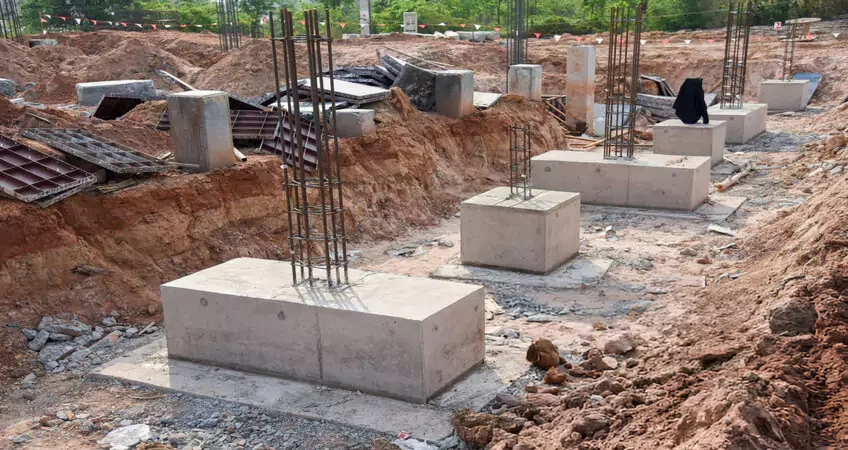
Civil engineers conduct comprehensive site investigations, including soil testing and environmental assessments. This information directly influences structural design decisions. Structural engineers rely on geotechnical data to design appropriate foundation systems, whilst civil engineers plan utility systems that must be coordinated with structural elements.
Career Opportunities and Services
Both fields offer excellent career prospects with diverse opportunities across consulting firms, government agencies, and construction companies. Growing emphasis on environmental sustainability and digital engineering creates new specialisations in green building design and Building Information Modelling (BIM).
When seeking professional engineering services, location and specialisation are key considerations. Working with local civil and structural engineering consultants offers advantages including familiarity with local building codes and geological conditions. Companies like TECHCEM Consulting and Engineering Pvt. Ltd. demonstrate how specialised firms can provide comprehensive services tailored to specific project requirements.
The Future of Engineering
Both disciplines continue evolving in response to technological advances and changing societal needs. Advanced software enables more sophisticated analysis and design optimisation. Engineers can now model complex structural behaviour and test multiple design scenarios efficiently.
The integration of sensors and monitoring systems into structures creates opportunities for real-time structural health monitoring. Engineers increasingly focus on reducing the carbon footprint of construction projects through material selection and energy-efficient design.
Choosing the Right Engineering Partner
Civil and structural engineering are fundamental to creating safe, efficient, and sustainable built environments. Whether you’re planning a residential development, commercial building, or infrastructure project, understanding these disciplines helps you make informed decisions about professional services.
Success in construction projects depends on selecting engineering professionals who understand both the technical requirements and the broader context of your development. By choosing experienced civil and structural engineering consultants, you invest in the long-term success and safety of your project.