
Table of Contents
Understanding Refractory Engineering
Refractory Engineering represents one of the most critical yet underappreciated fields in modern industrial operations. This specialised discipline focuses on designing, installing, and maintaining materials that can withstand extreme temperatures, chemical corrosion, and mechanical stress in high-heat industrial environments.
At its core, refractory engineering involves working with heat-resistant materials typically ceramics, metals, and composites that maintain their structural integrity under conditions that would destroy conventional materials. These applications are essential across numerous industries, from steel production to petrochemicals, where temperatures routinely exceed 1,000°C.
The importance of refractory work in civil engineering extends far beyond basic heat resistance. These systems protect expensive industrial equipment, ensure operational safety, and directly impact production efficiency. Without proper refractory engineering, many of our fundamental industrial processes would be impossible.
Key Responsibilities of a Refractory Engineer
Refractory engineers shoulder diverse responsibilities that blend materials science, thermal dynamics, and practical engineering solutions. Their primary duties include conducting thermal analysis to determine optimal material specifications for specific applications, designing refractory systems that can withstand operational stresses whilst maintaining cost-effectiveness.
Material selection represents another crucial aspect of their role. Engineers must evaluate different refractory options from basic firebricks to advanced refractory castable engineering solutions based on factors like temperature requirements, chemical exposure, and mechanical loading. This process requires deep understanding of material properties and application-specific challenges.
Installation oversight and maintenance planning also fall within their purview. Engineers must ensure proper installation techniques are followed, as even superior materials can fail if incorrectly applied. They develop maintenance schedules, troubleshoot system failures, and recommend upgrades or replacements when necessary.
Quality assurance and testing form another vital responsibility. Engineers conduct regular inspections, thermal imaging assessments, and material testing to ensure systems perform within specified parameters. This proactive approach helps prevent catastrophic failures that could result in costly downtime or safety hazards.
Industries That Utilise Refractory Engineering
Steel and metallurgy industries represent the largest consumers of refractory engineering services. Blast furnaces, electric arc furnaces, and ladles all require sophisticated refractory linings to contain molten metal at temperatures exceeding 1,600°C. The efficiency and longevity of these systems directly impact production costs and product quality.
Petrochemical and oil refining industries rely heavily on refractory solutions for their high-temperature processing units. Crackers, reformers, and various reactor vessels require specialised refractory linings that can withstand both extreme heat and aggressive chemical environments.
Glass manufacturing presents unique challenges requiring specialised refractory engineering approaches. Glass furnaces operate continuously at temperatures around 1,500°C, demanding refractory systems that can maintain structural integrity over extended periods whilst avoiding contamination of the glass product.
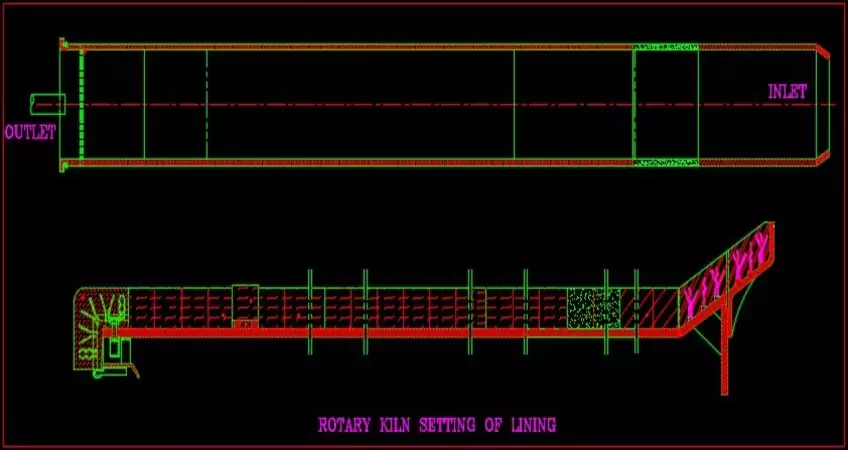
Cement production facilities utilise extensive refractory systems in their kilns and preheaters. These applications require materials that can handle rapid temperature cycling, abrasive conditions, and alkaline environments typical in cement manufacturing processes.
Challenges and Solutions in Refractory Engineering
Thermal shock represents one of the most significant challenges in refractory engineering. Rapid temperature changes can cause materials to crack or spall, leading to system failure. Engineers address this through careful material selection, proper installation techniques, and design modifications that accommodate thermal expansion and contraction.
Chemical attack from aggressive industrial environments poses another major challenge. Acids, alkalis, and molten metals can gradually degrade refractory materials. Solutions include developing chemically resistant formulations, applying protective coatings, and implementing regular monitoring programmes to detect early degradation signs.
Cost optimisation remains a constant challenge for refractory engineering companies. High-performance materials often carry significant costs, requiring engineers to balance performance requirements with budget constraints. This involves conducting lifecycle cost analyses, exploring alternative materials, and optimising maintenance schedules to maximise system longevity.
Access to comprehensive resources, including specialised refractory engineering books and technical documentation, helps engineers stay current with evolving technologies and best practices. Many professionals rely on detailed refractory engineering PDF resources to understand complex applications and troubleshoot challenging installations.
The Future of Refractory Engineering Excellence
Refractory engineering continues evolving as industries demand higher performance, improved efficiency, and reduced environmental impact. Advanced materials, computer modelling, and predictive maintenance technologies are transforming how engineers approach these challenges.
Companies like TECHCEM Consultancy and Engineering Pvt. Ltd. are at the forefront of these developments, providing comprehensive refractory engineering services that incorporate cutting-edge technologies with proven expertise. Their approach demonstrates how specialised knowledge and innovative solutions can address even the most demanding industrial applications.
The future promises exciting developments in smart refractory systems, enhanced materials science, and integrated monitoring technologies. These advances will enable more efficient, reliable, and sustainable industrial operations whilst maintaining the high standards that modern manufacturing demands.
For organisations seeking reliable refractory engineering solutions, partnering with experienced specialists ensures access to the expertise, materials, and support necessary for successful high-temperature industrial operations.