Table of Contents
Boosting Kiln Efficiency in Cement Plants
The cement industry is a cornerstone of global infrastructure, but it’s also known for its high energy consumption. The rotary kiln, the heart of any cement plant, is the single largest consumer of energy in the production process. As the industry moves towards greater sustainability and cost-effectiveness, optimizing kiln operations for energy efficiency has become a top priority.
Improving how a kiln operates not only reduces production costs but also lowers the environmental footprint of a cement plant. This article will explore key strategies and technologies that modern facilities can adopt to enhance the energy efficiency of their kiln systems. For companies like TECHCEM Consultancy and Engineering Pvt. Ltd., implementing these solutions through expert cement plant consultancy services is crucial for maintaining a competitive edge.
Understanding Kiln Operations Consumption
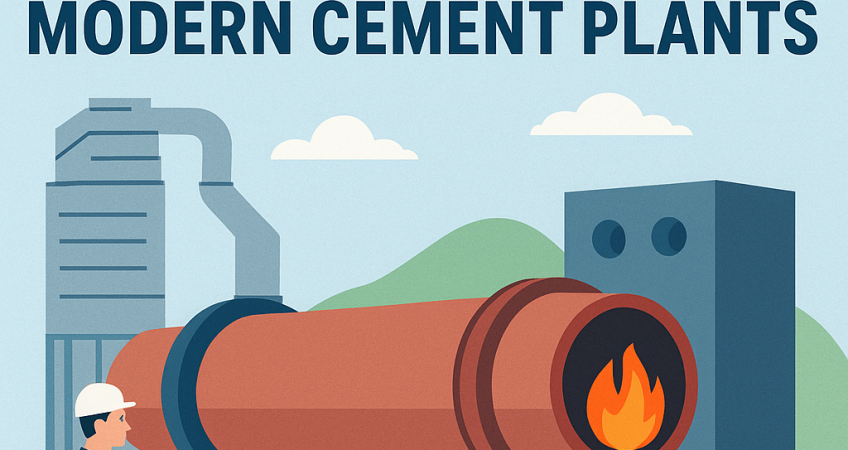
A rotary kiln uses immense thermal and electrical energy to transform raw materials into clinker through a process called preprocessing. Heat is required to drive the chemical reactions, while electricity powers the motors, fans, and other auxiliary equipment. Inefficiencies in either area can lead to significant energy waste and higher operational costs.
Common sources of energy loss include:
- Heat loss from the kiln shell surface.
- Incomplete fuel combustion.
- High levels of excess air.
- Inefficient heat recovery from exhaust gases.
Addressing these issues is the first step toward a more energy-efficient operation.
Key Strategies for Energy Savings
Achieving optimal kiln performance requires a multi-faceted approach. Here are some of the most effective strategies modern cement plants can implement.
Optimizing the Combustion Process
Proper combustion control is fundamental to kiln efficiency. This involves ensuring the fuel burns completely and transfers the maximum amount of heat to the material. Key actions include:
- Maintaining an optimal fuel-to-air ratio to avoid incomplete combustion or excessive heat loss through exhaust gases.
- Using modern, efficient burners that ensure better fuel atomization and mixing with combustion air.
- Regularly analyzing flue gas composition to fine-tune burner settings and minimize excess air.
Enhancing Heat Recovery Systems
A significant amount of heat is generated during clinker production, and much of it can be recovered and reused. An efficient clinker cooler is essential for recovering heat from the hot clinker and returning it to the kiln as secondary and tertiary combustion air. Upgrading to a modern, high-efficiency cooler can dramatically reduce the kiln’s specific fuel consumption.
Similarly, waste heat recovery systems (WHRS) can capture heat from the kiln’s exhaust gases and convert it into electricity, further reducing the plant’s reliance on the grid and lowering its overall energy costs.
Improving Refractory and Insulation
The kiln shell is a major source of radiant heat loss. Investing in high-quality refractory materials and insulation can minimize this loss, keeping more heat inside the kiln where it is needed. Modern refractory bricks offer better thermal resistance and durability, contributing to stable operations and lower maintenance costs. Regular monitoring of the kiln shell temperature using infrared scanners can help identify hot spots and areas where insulation needs improvement.
Leveraging Advanced Process Control
Modern cement plants can benefit greatly from advanced process control (APC) systems. These systems use AI and machine learning algorithms to monitor thousands of data points in real-time, making continuous adjustments to maintain stable and efficient kiln operation. An APC system can optimize variables like fuel feed rate, kiln speed, and fan drafts more effectively than human operators, leading to consistent product quality and reduced energy consumption.
Your Partner in Efficiency
For businesses aiming to enhance their operational performance, partnering with experienced consultants is key. TECHCEM Consultancy and Engineering Pvt. Ltd. specializes in providing expert guidance and engineering solutions to help cement plants optimize their processes, reduce energy consumption, and achieve sustainable growth. By implementing proven strategies and leveraging modern technology, plants can significantly improve their kiln efficiency and strengthen their market position.