
Table of Contents
What is an Energy Efficiency Audit?
An Energy Efficiency Audit is a comprehensive assessment of how energy is used within a facility. Think of it as a health check-up for your plant’s energy systems. The primary goal is to identify where energy is being wasted and to recommend practical solutions for improvement.
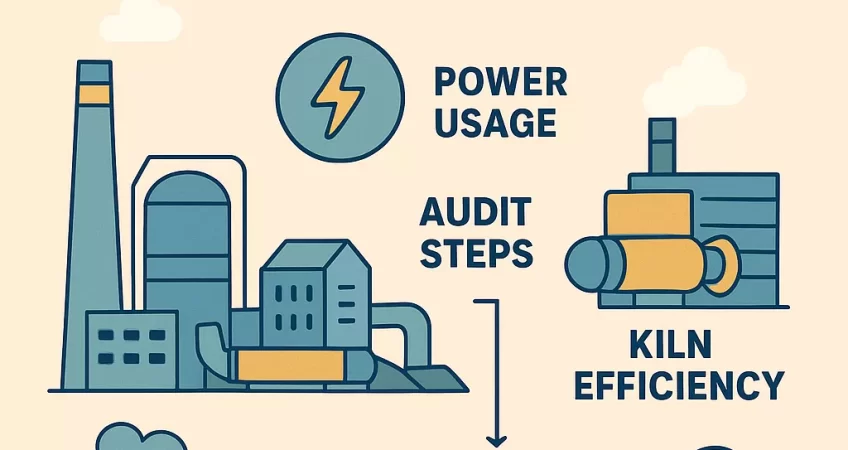
For a cement plant, this process involves analyzing every stage of production, from the raw mill and kiln to the cement mill and packaging systems. Auditors use specialized equipment and data analysis to pinpoint inefficiencies and quantify potential savings. The final report provides a clear roadmap with actionable recommendations, helping you make informed decisions to optimize your energy consumption.
The Benefits of an Energy Efficiency Audit
Conducting a regular energy audit offers a range of advantages that go straight to your bottom line and beyond.
- Significant Cost Reduction: Energy can account for a large portion of a cement plant’s operating expenses. By identifying and eliminating waste, an audit can lead to substantial cost savings. These savings can then be reinvested into other areas of the business.
- Lower Carbon Emissions: With increasing pressure from regulations and stakeholders to decarbonize, reducing energy consumption is a direct way to lower your plant’s greenhouse gas emissions. An audit helps you meet sustainability targets and improve your corporate image.
- Improved Operational Efficiency: Inefficiencies in energy use are often linked to underlying operational or maintenance issues. Addressing these problems not only saves energy but can also improve equipment reliability, reduce downtime, and increase overall plant productivity.
Key Areas to Assess in a Cement Plant
An energy audit in a cement plant focuses on several key high-consumption areas where improvements can yield the greatest returns.
- Pyroprocessing System: The kiln is the heart of the cement plant and its biggest energy consumer. Audits often focus on optimizing combustion, reducing heat loss from the kiln shell, and improving the efficiency of the preheater and cooler systems.
- Grinding Circuits: Raw and cement mills are also major energy users. An audit can identify opportunities to optimize grinding media, improve separator efficiency, and reduce the specific power consumption (kWh/ton) of the mills.
- Compressed Air Systems: Leaks in compressed air systems are a common source of hidden energy waste. An audit can detect these leaks and recommend measures to optimize compressor operation.
- Electrical Systems: Assessing motors, drives, and transformers can reveal opportunities for upgrades to more energy-efficient models, leading to significant electricity savings.
Steps in Conducting an Audit
A typical energy efficiency audit follows a structured process to ensure thorough and accurate results.
- Planning and Preparation: The audit begins with a kickoff meeting to define the scope, objectives, and timeline. Auditors collect preliminary data on the plant’s energy consumption and production processes.
- Data Collection and Site Visit: The audit team conducts a detailed site survey, taking measurements, inspecting equipment, and interviewing plant personnel to understand current operating practices.
- Analysis and Identification: Using the collected data, the auditors analyze energy performance and identify specific energy-saving opportunities. They quantify potential savings and estimate the investment required for each measure.
- Reporting and Recommendations: The findings are compiled into a comprehensive report that outlines actionable recommendations, prioritized by cost-effectiveness and ease of implementation.
- Implementation and Monitoring: After the audit, the real work begins. The plant implements the recommended measures, and continuous monitoring ensures that the savings are realized and sustained over time.
Build a More Efficient Future
Regular energy efficiency audits are an essential practice for any cement plant looking to stay competitive and sustainable. By systematically identifying and addressing energy waste, you can unlock significant cost savings, reduce your environmental impact, and pave the way for a more efficient and profitable operation.
At TECHCEM Consultancy and Engineering Pvt. Ltd., we specialize in providing expert energy audit services tailored to the unique challenges of the cement industry. Our experienced team can help you uncover hidden savings and optimize your plant for peak performance.